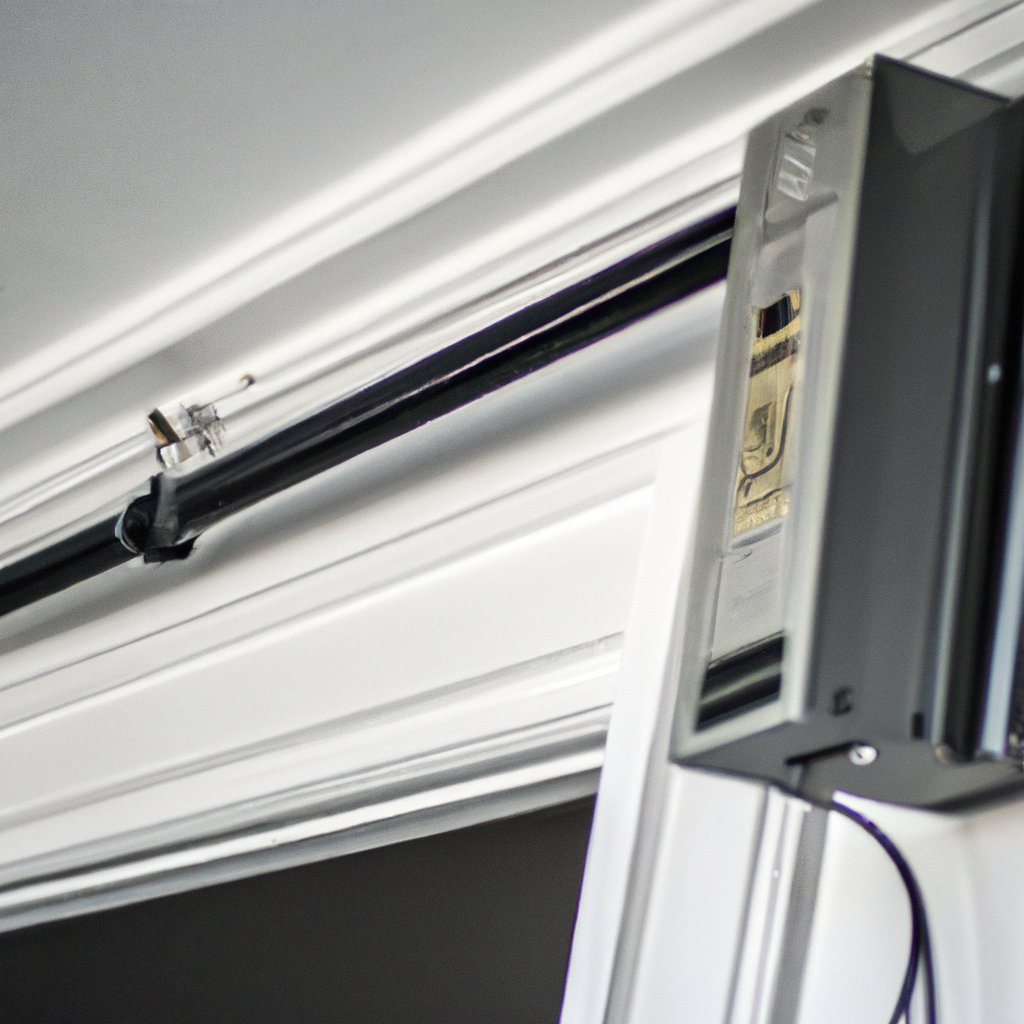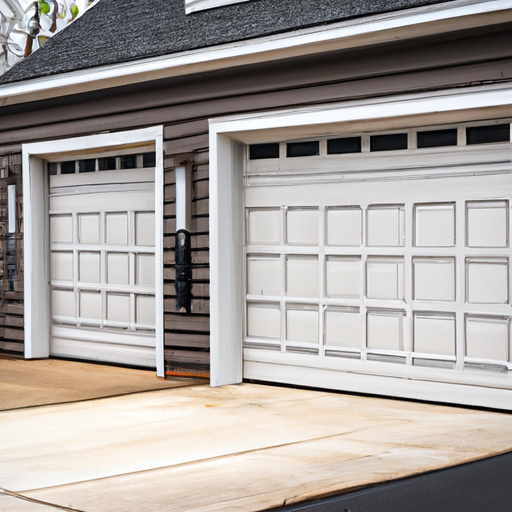
Homeowners in Red Bank, NJ often tell us that noisy garage doors disturb morning routines and late-night rest. This practical guide explains noise reduction options tied to professional garage door repair so you can choose the best fixes for your home. Whether your priority is quieter operation, longer component life, or a cleaner look, the right service and parts make a measurable difference.
Why garage door noise happens
Noisy operation is one of the most common triggers for garage door repair calls. Several mechanical factors create the typical clanks, squeaks, and grinding sounds:
- Worn rollers and hinges that need replacement or lubrication.
- Loose fasteners, broken springs, or misaligned tracks that create metal-on-metal noise.
- Older openers with gearboxes that wear out and scream when under load.
- Thin, single-layer garage doors that vibrate and amplify motor noise.
Understanding the cause helps homeowners decide between a quick tune-up and a full replacement. A trained technician can diagnose and explain whether a repair, parts swap, or insulation upgrade is best.
Practical noise reduction solutions
These solutions are frequently recommended during a garage door repair visit in Red Bank, NJ. They range from low-cost maintenance to more durable upgrades.
1. Maintenance and lubrication
Often the quietest outcome starts with routine service. A professional will:
- Clean and lubricate rollers, hinges, and springs with garage-door specific lubricants (not WD-40).
- Tighten bolts and fasteners to eliminate rattles.
- Adjust track alignment to stop scraping sounds.
Maintenance is the most cost-effective way to extend component life and reduce noise without replacing major parts.
2. Replace noisy rollers and hinges
Many homeowners choose to upgrade to nylon rollers and sealed bearings as part of a garage door repair. Nylon reduces friction and vibration compared with older steel rollers, producing a quieter, smoother operation. Hinges that are worn or loose are also swapped to prevent knocks and metal-on-metal contact.
3. Upgrade the opener or gearbox
If the opener is the main noise source — grinding, whining, or failing to lift smoothly — replacing it can dramatically reduce sound. Modern belt-drive openers are significantly quieter than chain drives and are often recommended for attached residential garages. Replacing an aging gearbox or motor during a garage door repair visit can be a wise long-term investment.
4. Add insulation and sound-dampening
Door insulation reduces rattles and keeps the garage quieter. Options include:
- Foam or polystyrene insulation panels installed inside the door sections.
- Vinyl-backed insulation for additional sound control and weather sealing.
- Dense door seals and threshold gaskets to stop air and noise leaks around the perimeter.
Insulating thin steel or aluminum doors often delivers noticeable acoustic improvement and helps with energy efficiency too.
What to expect during a garage door repair visit
A typical residential service call in Red Bank includes a targeted inspection and an action plan. Technicians will:
- Diagnose audible and mechanical issues and identify worn parts.
- Recommend repairs versus upgrades that fit your noise goals and budget.
- Provide an estimate and timeline for labor and parts.
Most routine noise reduction repairs — lubricating, tightening, replacing rollers or hinges — are completed within 1–3 hours. Replacing an opener or installing insulation may take half a day, depending on model and access.
Cost considerations and value
Pricing varies by material and scope. Typical ranges for local jobs often seen during garage door repair calls:
- Maintenance and lubrication: low cost, often a modest service fee.
- Roller and hinge replacement with nylon rollers: moderate cost; a high-impact, mid-priced upgrade.
- Belt-drive opener replacement: higher cost but long-term quiet performance.
- Full door insulation or new insulated door panel installation: varies widely by door type.
Investing in quality parts and a proven residential service reduces repeat calls and can increase property value as part of broader home improvement work.
Local factors for Red Bank homeowners
Coastal-season humidity and year-round temperature swings in Red Bank, NJ can affect door components. Springs and rollers exposed to salt air or moisture may wear faster, so preventive maintenance is recommended more frequently here than in drier regions. Ask technicians about corrosion-resistant hardware and sealed bearings designed for our local climate.
How to choose a reliable garage door repair provider
Look for local technicians who offer:
- Clear written estimates and part warranties.
- Experience with noise-reduction upgrades, like belt-drive openers and nylon rollers.
- Service plans for regular maintenance to prevent noisy failures.
If you’re researching options, our blog explains common repairs and upgrades in more depth: read more on the blog.
Ready to schedule a noise assessment or service visit? Contact our team through the online form to arrange a technician in Red Bank who can diagnose the issue and recommend the right repairs: schedule service. To view all the noise-reduction and repair options we install, see our full list of offerings: services.
Small steps like swapping rollers or tightening loose hardware often stop the most common noises. For older openers or thin doors, upgrading to insulated panels and a belt-drive opener delivers the biggest reduction in decibels and increases long-term reliability. Regular maintenance prevents sudden failures and keeps your garage quieter year-round.
Frequently asked questions — Red Bank, NJ
Q: How often should I schedule maintenance to keep my garage door quiet in Red Bank?
A: For coastal New Jersey conditions, schedule a basic inspection and lubrication every 6–12 months. If your door is older than 10 years or you notice rust or rapid wear, move to biannual checks.
Q: Will a new opener eliminate all noise from my garage door?
A: A modern belt-drive opener significantly reduces motor noise, but metal-on-metal sounds from worn rollers or loose tracks may still remain. Combine an opener upgrade with roller and hinge replacement for best results.
Q: Are there local permit or code issues for replacing springs or openers in Red Bank?
A: Most residential repairs like spring or opener replacement don’t require a permit in Red Bank, NJ, but electrical work for an opener installed to a new circuit may. A licensed technician can confirm whether an electrician’s permit is needed.
Q: How long does a typical noise-reduction repair take?
A: Simple tune-ups and roller swaps are often completed in 1–3 hours. Opener swaps or full insulation installs can take 3–6 hours depending on door size and complexity.
Q: What warranty should I expect for parts and labor in NJ?
A: Warranties vary: rollers and small parts commonly have 1–3 year warranties; openers often include 5–10 year manufacturer guarantees. Ask your provider for written warranty terms before work begins.
Helpful local resources in Red Bank, NJ
- Garage Door Repair Hoboken
- Garage Door Repair Montclair
- Garage Door Repair Westfield
- Garage Door Repair Summit
- Garage Door Repair Maplewood
- Garage Door Repair Livingston
- Garage Door Repair Short Hills
- Garage Door Repair Princeton
- Garage Door Repair Red Bank
- Garage Door Repair Morristown
- Garage Door Repair Chatham
- Garage Door Repair Mendham
- Garage Door Repair Bernardsville
- Garage Door Repair Bedminster
- Garage Door Repair Clinton
- Garage Door Repair Tenafly
- Garage Door Repair Ridgewood
- Garage Door Repair Upper Saddle River
- Garage Door Repair Wyckoff
- Garage Door Repair Basking Ridge
- Garage Door Repair South Orange
- Garage Door Repair Teaneck
- Garage Door Repair Fort Lee
- Garage Door Repair East Brunswick
- Garage Door Repair Montvale
- Garage Door Repair Haddonfield
- Garage Door Repair Marlboro
- Garage Door Repair Cranford
- Garage Door Repair Voorhees
- Garage Door Repair North Caldwell